
Nuclear Waste, Safety, and Security
Story 6
Nuclear waste, safety, and security at OPG
In the Nuclear Power Generation story (Story 5) we learned that OPG’s nuclear stations are a low-carbon, reliable source of electricity providing more than half of the province’s electricity needs. But like all sources of electricity generation, nuclear stations do produce waste.
In this story (Story 6), you will learn about nuclear waste as well as nuclear safety and security at our nuclear power generating stations.
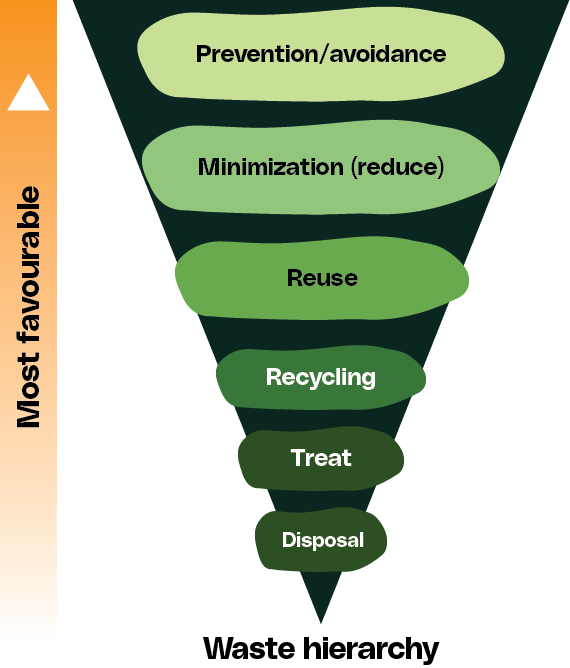
At OPG, we do not accept waste as inevitable. We take full responsibility for the entire lifecycle of the waste in our care by preventing waste before it's created and successfully finding solutions to minimize waste volumes that require disposal. This level of responsibility is unique to the nuclear industry. In fact, OPG must operate within the regulations set out by federal regulators and international authorities, which ensures the safety and security of our generating stations and waste management facilities – for our employees, the environment, and you.
Types of nuclear waste
Nuclear stations produce three classifications of waste. The classification of waste depends on the level of radiation exposure and the length of exposure. The more radiation something gets, the higher the level. You can learn more about each classification below.


Did you know that incineration of nuclear waste uses a…
controlled high heat process to reduce waste to ash while producing little to no smoke? The process is extensively monitored to ensure the safe combustion of waste.

We are responsible for taking care of all the nuclear waste from our generating stations. This includes collecting it and storing it, and everything in between. It’s a big deal because no other industry is required to take this level of responsibility with its waste.
Waste reduction, handling, and storage
At every opportunity, we take action to ensure we prevent and minimize the material that we need to treat as potential waste. We use waste sorting and segregating techniques to reduce the volume of low-level waste (LLW), for example 40 bags of LLW can be reduced to one bag of ash through incineration.
We ensure each fuel bundle is fully spent by shuffling fuels bundles within the reactor. We recycle, and re-use materials to maximize their lifespan, minimize their footprint, and give them another life wherever possible.
We also use state-of-the-art storage. High-level waste (used fuel) requires special handling and storage. OPG is a global leader in how to do this safely.
We harness waste
Find out more about our commitment to safe storage
Handling and storing high-level waste (used fuel)
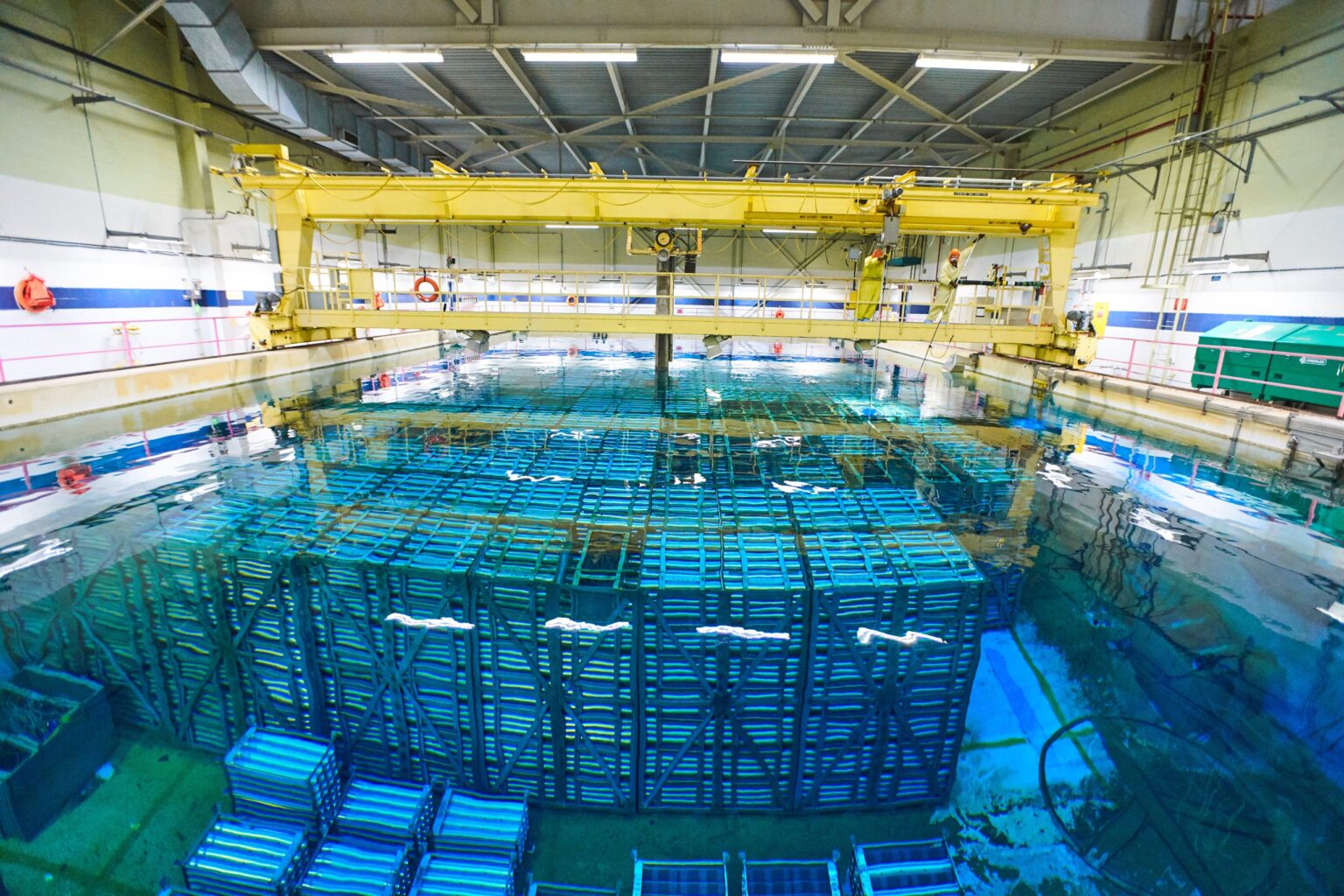
Used fuel bundles require storage for hundreds of thousands of years until their radiation returns to background levels. Once removed from the reactor, fuel bundles are transferred to cooling bays, and then eventually transferred to interim dry storage containers (DSC). You can learn more below.


Find out more about the Canadian Safety Nuclear Commission (CSNC)
Find out more about the International Atomic Energy Agency (IAEA)
Canada’s plan for used fuel
Used fuel bundles require storage for hundreds of thousands of years until their radiation returns to background levels. As of 2023, there are about 3.32 million used fuel bundles in Canada. This is the result of over 50 years of nuclear operations across generating stations in Canada – past (Quebec) and present (Ontario and New Brunswick).
Canada has published a plan to contain and isolate all of the country’s used nuclear fuel underground in a Deep Geological Repository (DGR). Canada is not the first to do this, it's being done worldwide. The Nuclear Waste Management Organization (NWMO) is responsible for putting that plan into action.

If stacked like cordwood, all this used nuclear fuel could fit into about nine NHL hockey rinks from the ice surface to the top of the boards.
Find out more about the IAEA’s role in safeguarding radioactive waste and spent fuel management

Find out more about the CNSC’s role in radioactive waste and spent fuel management
Find out more about the NWMO’s responsibility for the safe, long-term management of Canada’s used nuclear fuel

Transporting nuclear waste
OPG has been safely transporting nuclear materials for over 50 years, including low-level and intermediate-level waste, with no release of nuclear material to the environment. OPG transports this waste between facilities on a regular basis, covering a total distance of approximately 600,000-750,000 km per year.
Transporting heavy water
In Story 5 we introduced heavy water. We also transport the heavy water that cools our nuclear reactors to a processing facility. We keep this water because we can get Helium-3 from it. Helium-3 is needed for MRI machines to work properly. MRI machines are important in medical imaging and diagnosis.
Our licenced waste management facilities
We have three waste management facilities led by our Nuclear Sustainability Services (NSS) team.
Darlington Waste Management Facility (DWMF), at our Darlington station
Pickering Waste Management Facility (PWMF), at our Pickering station
Western Waste Management Facility (WWMF), near Kincardine, Ontario
Our licenced waste management facilities meet or exceed CNSC standards. This means that risk to people and the environment is mitigated, controlled, and monitored around these facilities.
Want to learn more about our NSS? Click the link below.
Darlington Waste Management Facility

Pickering Waste Management Facility

Western Waste Management Facility

Harnessing the power of waste!
By harnessing the power of nuclear for more than just energy, our nuclear generation stations have helped to:
- Power long life batteries in items such as pacemakers
- Sterilize over 40% of the world’s single use medical devices
- Disinfect foods and spices from potentially harmful bacteria
- Illuminate exit signs and emergency lighting on planes and buildings all around the world
It would be truly wasteful to ignore what else we can create as we generate nuclear energy.

Want to learn more about nuclear isotopes at OPG?
Nuclear medicine: Radiating health
Nuclear safety
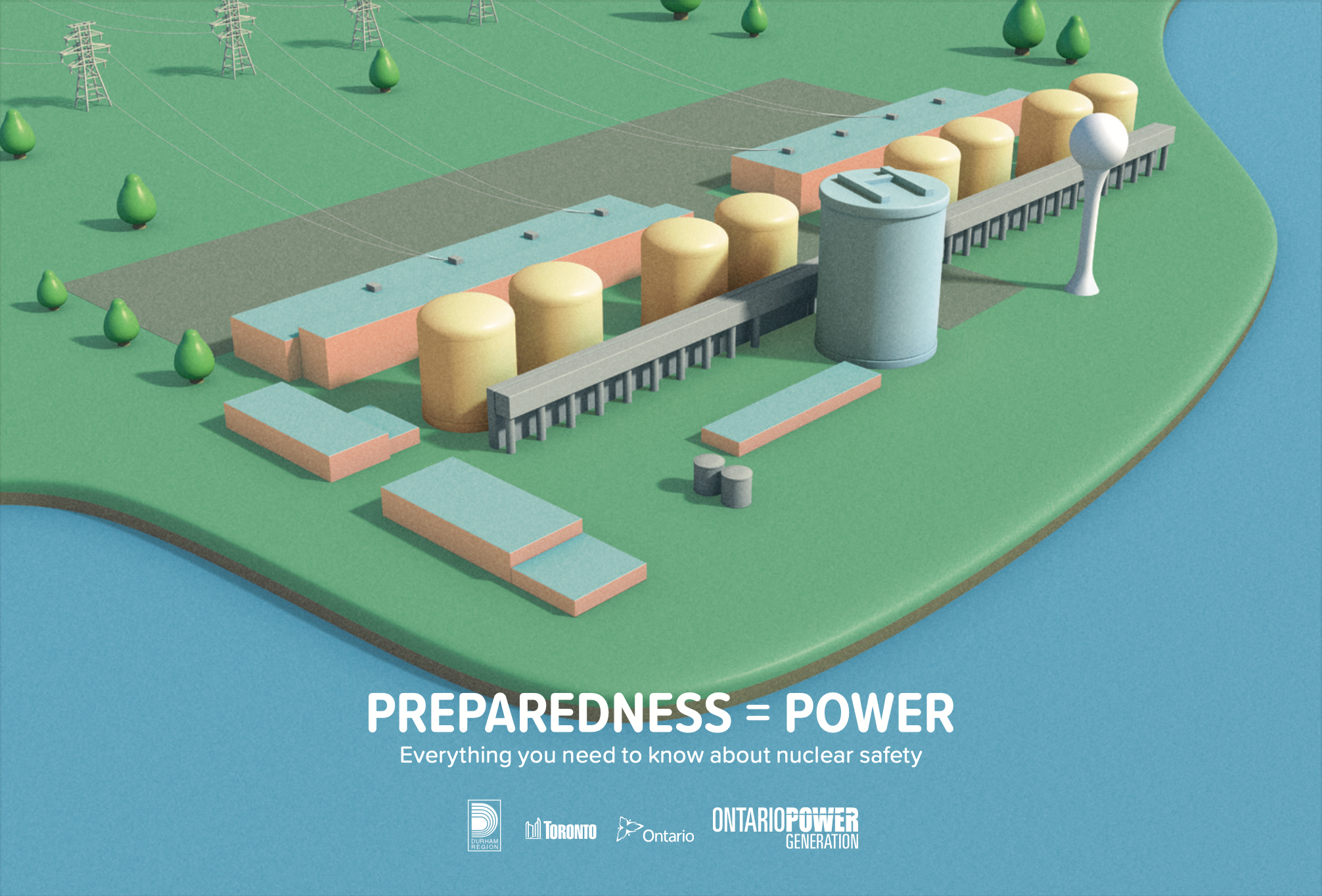
Nuclear stations are among the safest and cleanest sources of electricity on the planet – OPG’s are no exception. In more than 50 years, no harm has come to any member of the public because of a radiation emission from our nuclear stations or nuclear waste and by-product facilities.
But don’t just take our word for it, take the word of the Canadian Nuclear Safety Commission (CNSC). They are the independent entity that regulates the use of nuclear energy, nuclear waste and by-products in Canada to protect health, safety, security, and the environment. The CNSC has given its highest possible safety rating to both of our nuclear generating stations.
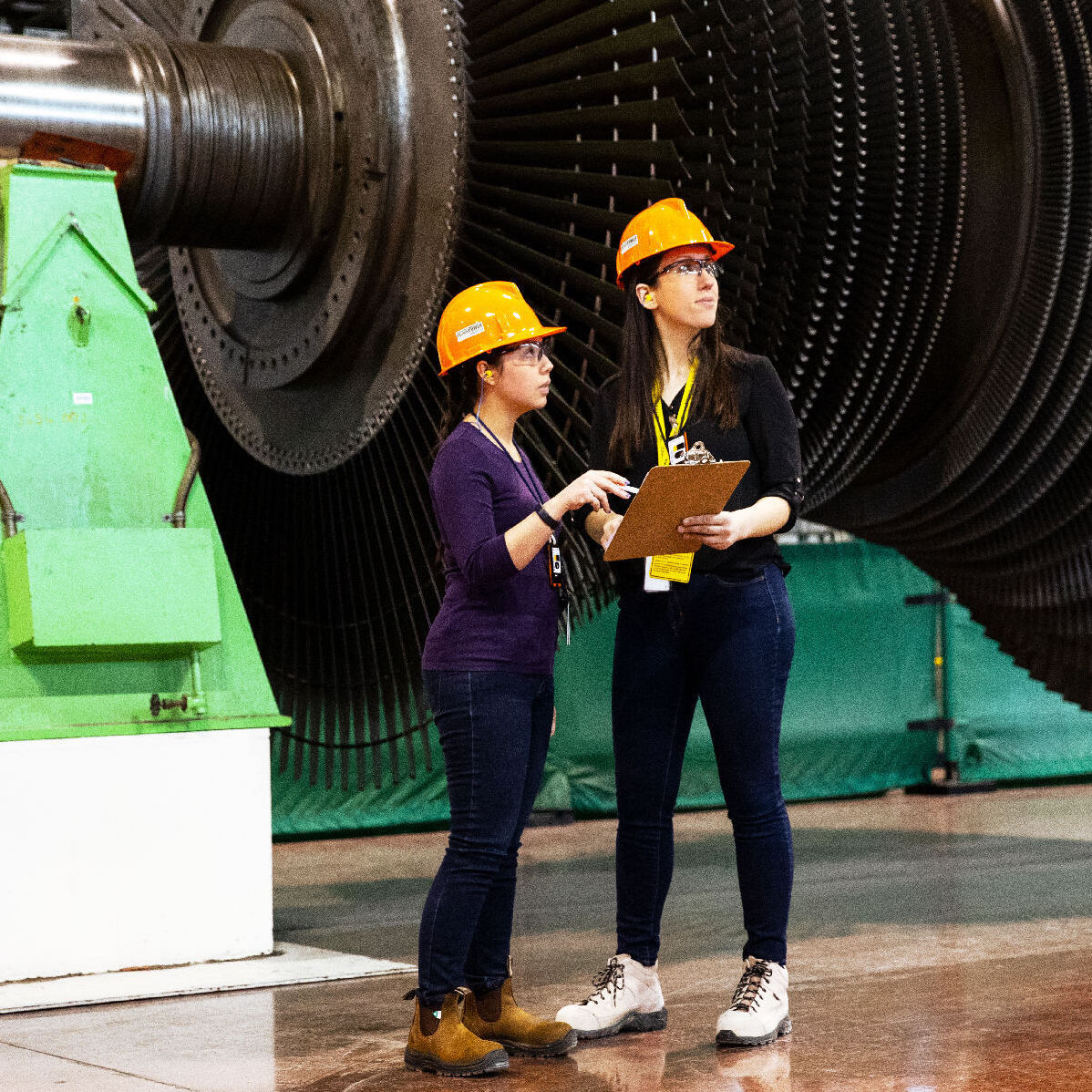
Keeping you, our stations, and waste management facilities safe
- Our nuclear stations undergo annual safety assessments by the CNSC
- We give regular reports to many organizations, including the OEB and IESO
- We share best practices and experiences with other companies operating reactors worldwide
- We use CANDU® reactors which are among the safest designs in the world
- Our nuclear stations have many separate, independent safety systems
- We keep emission levels below prescribed limits and report our emission rates four times a year for Pickering, Darlington and the Nuclear Sustainability Services – Western Waste Management Facility
Click here for a sample of one of these reports - We regularly check for radiation in the air and water around our nuclear sites
- We assess climate change risks so we can protect our nuclear sites from the impacts of a changing climate
- We train all staff to a high level and ensure constant refreshers and updates to the training
- We have highly skilled teams of security personnel to protect each station, and practice emergency responses on a regular basis
OPG’s level of safety standard means the chance of an incident is very, very small. But even so, we have emergency response plans to ensure the highest level of safety and to minimize risks to our communities, people, and environment.
Emergency preparedness at OPG
At OPG, safety is our number one priority. We believe there is no such thing as being too prepared. We have our own emergency response teams.
Nuclear security
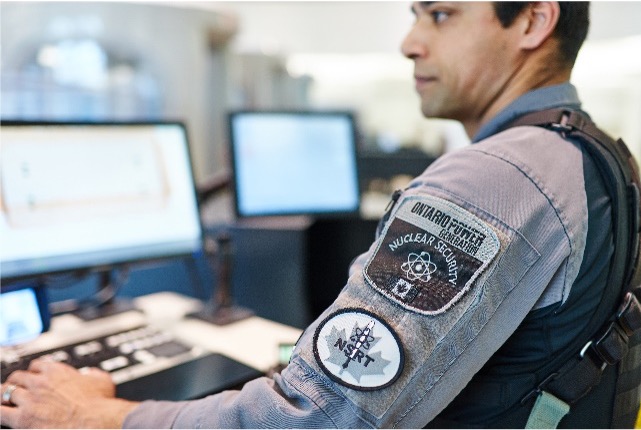
We’re committed to keeping our nuclear sites secure. Here are just some of the things we do to make this happen.
- All employees must have valid security clearances, ID cards, and security checks
- Everyone must go through a three-step security search like at an airport
- Each site is monitored 24/7 and patrolled by armed nuclear security officers
- Each site has its own Emergency response team
- Each site has physical barriers, wire fencing, and additional anti-intrusion measures
Learn more about nuclear security at OPG
Last words on nuclear waste, safety, and security
Nuclear power is a cleaner and reliable source of electricity. Nuclear power is also a big part of OPG’s and Ontario’s path to net-zero. Other Canadian provinces are also exploring the use of nuclear generation as a part of their climate change action plans. It is important to keep in mind that nuclear power stations do produce waste like all other types of electricity generation. We have the skills and expertise to manage our waste in the proper way to protect our employees, the environment, and you.
Our nuclear stations and waste management facilities are world class, secure, and have excellent safety records.
Turning the page
You’ve found out how OPG is taking action on climate change and how electricity works in Ontario. You’ve also found out more about renewable generation, nuclear generation and how we manage nuclear waste, safety, and security. Now it’s time to find out about the future of electricity generation in the final story, Electricity and the Future.
What did you learn?