
Climate Change
Story 2
Understanding climate change
Severe storms, heat waves, and more wildfires are just some of the climate change impacts that people are experiencing in Ontario and around the world. Everyone has seen how climate change is affecting their relationship with the world around them. We have a pretty good idea of what’s causing it and how it will affect us. We also know some of the things people can do to take action on climate change to protect future generations. In this story, you’ll find out more about each of these topics.
Understanding terminology
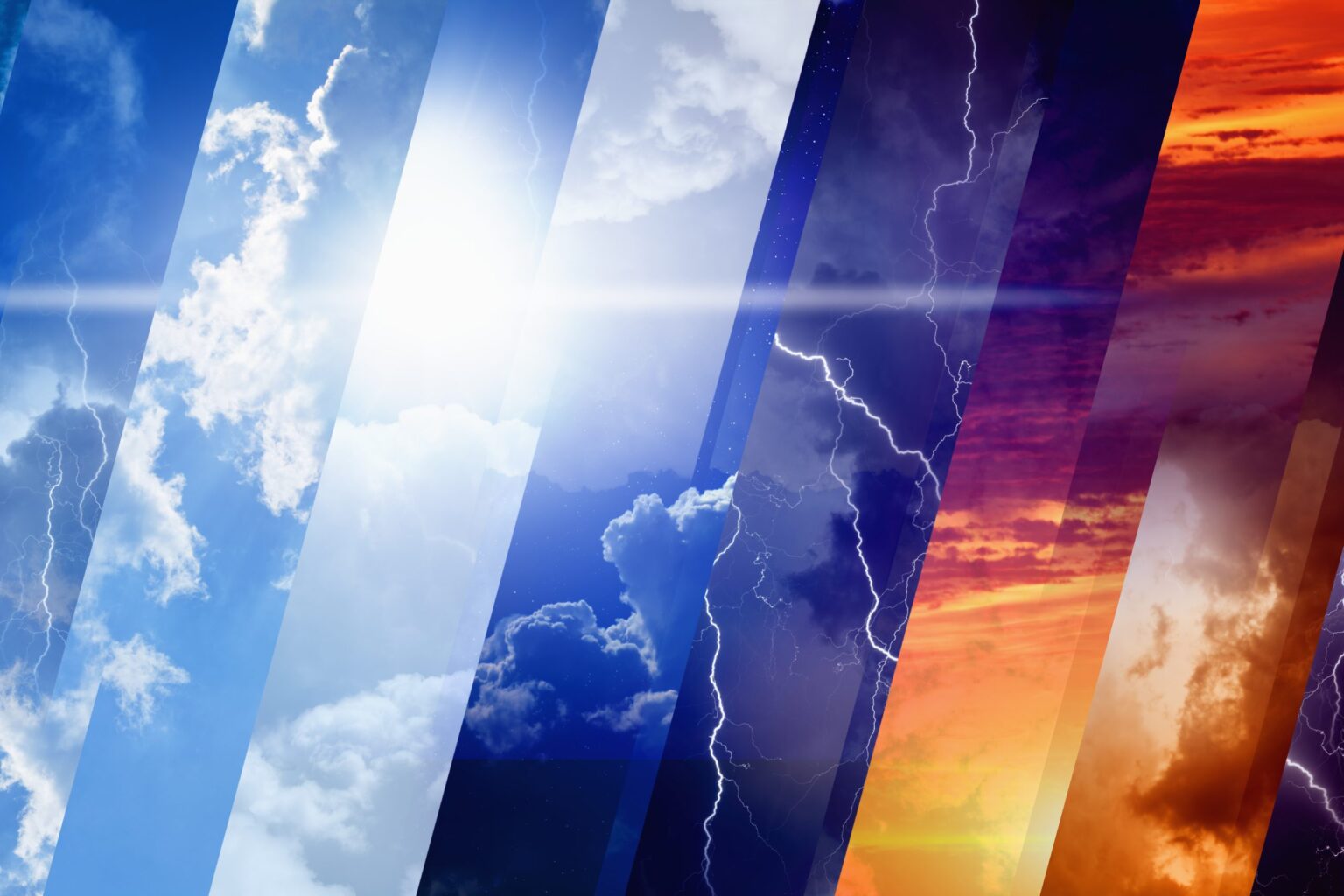
Find out more about climate, weather, and climate change
Fossil fuels, greenhouse gases, and climate change
Many factors contribute to climate change including natural factors, like volcanic eruptions and ocean currents, and human factors. The most common human factor is burning fossil fuels (i.e. coal, oil, and gasoline). The main problem with burning fossil fuels is the release of greenhouse gases, like carbon dioxide (CO2). Greenhouse gases going into the atmosphere contributes to climate change by acting like a blanket, trapping heat and keeping the earth warm.
The energy transition
To reduce greenhouse gases going into the air, we have been moving away from fossil fuels to cleaner types of energy that are non-carbon emitting. That’s what we call the energy transition. When people talk about the energy transition, you’ll hear them talk about the two key words, decarbonization and electrification.
Decarbonization
(dee-kar-buhn-i-zay-shn)
Electrification
(e-lek-truh-fi-kay-shn)
Listen to OPG’s Climate Challengers podcast to learn more
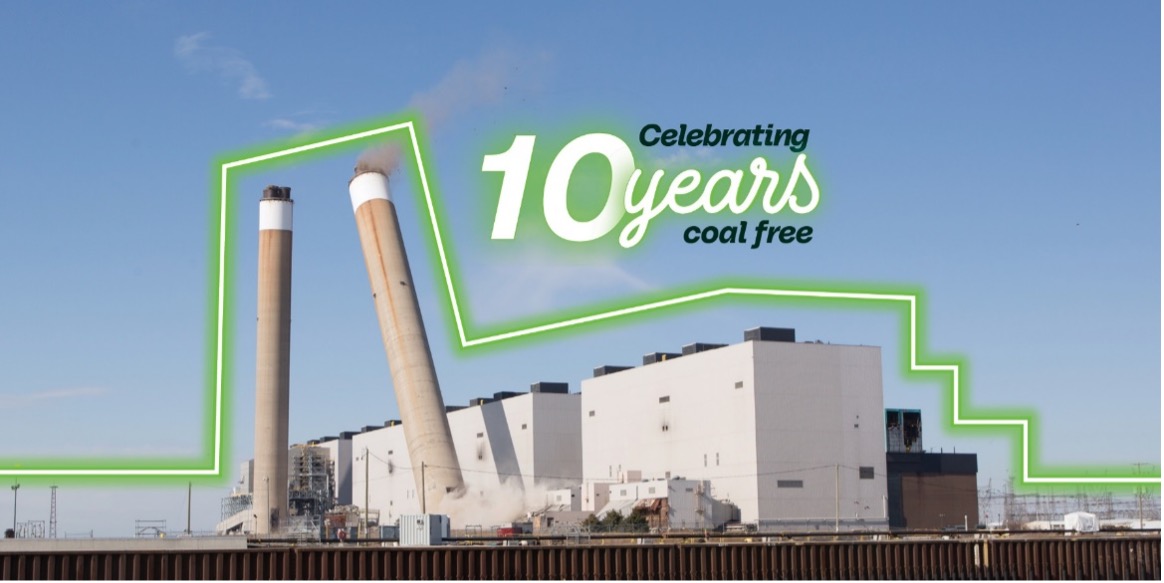
Did you know OPG has been coal-free for 10 years?
Ten years ago, OPG delivered one of the world’s single-largest actions to combat climate change to date.
OPG had one of the largest coal-fired power stations in North America at Nanticoke. In 2013, OPG shut that station down, and in 2014 OPG burned its last piece of coal to generate electricity at Thunder Bay generating station.
Find out more about Nanticoke and what’s there now
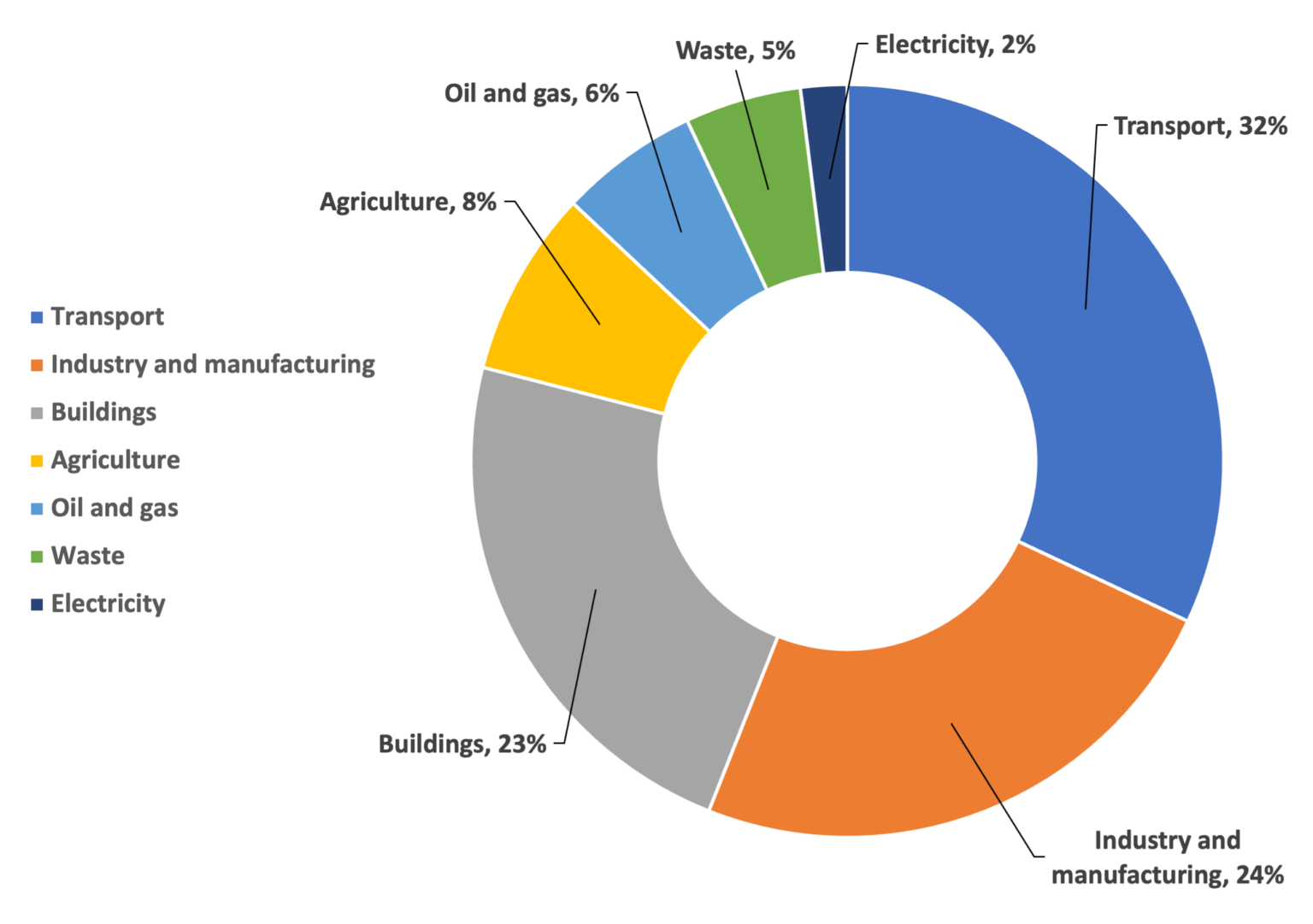
Ontario 2022 emissions by economic sector
Coal closure led to significantly cleaner air for Ontarians and transformed Ontario’s grid into one of the cleanest in the world. Today, the electricity sector represents ~2% of Ontario’s total greenhouse gas emissions.
Now, with one of the cleanest electricity supply mixes, Ontario’s electricity sector will have a big impact in reducing overall emissions as other sectors of the economy electrify, like transportation (e.g., cars and busses) and building heating. This shift to increased electrification means the demand for non-emitting electricity is going to go up a lot. Total demand could increase up to 60 per cent over the next 25 years. To meet this demand, we’ll need to produce a lot more clean electricity.
Ontario's Emissions
150.6 Mt C02 eq.
To learn more about Ontario's rising electricity demand,
visit the IESO Six Graphs and a Map: 2024 Annual Planning Outlook and Emissions Update
Taking action on climate change – Net-Zero
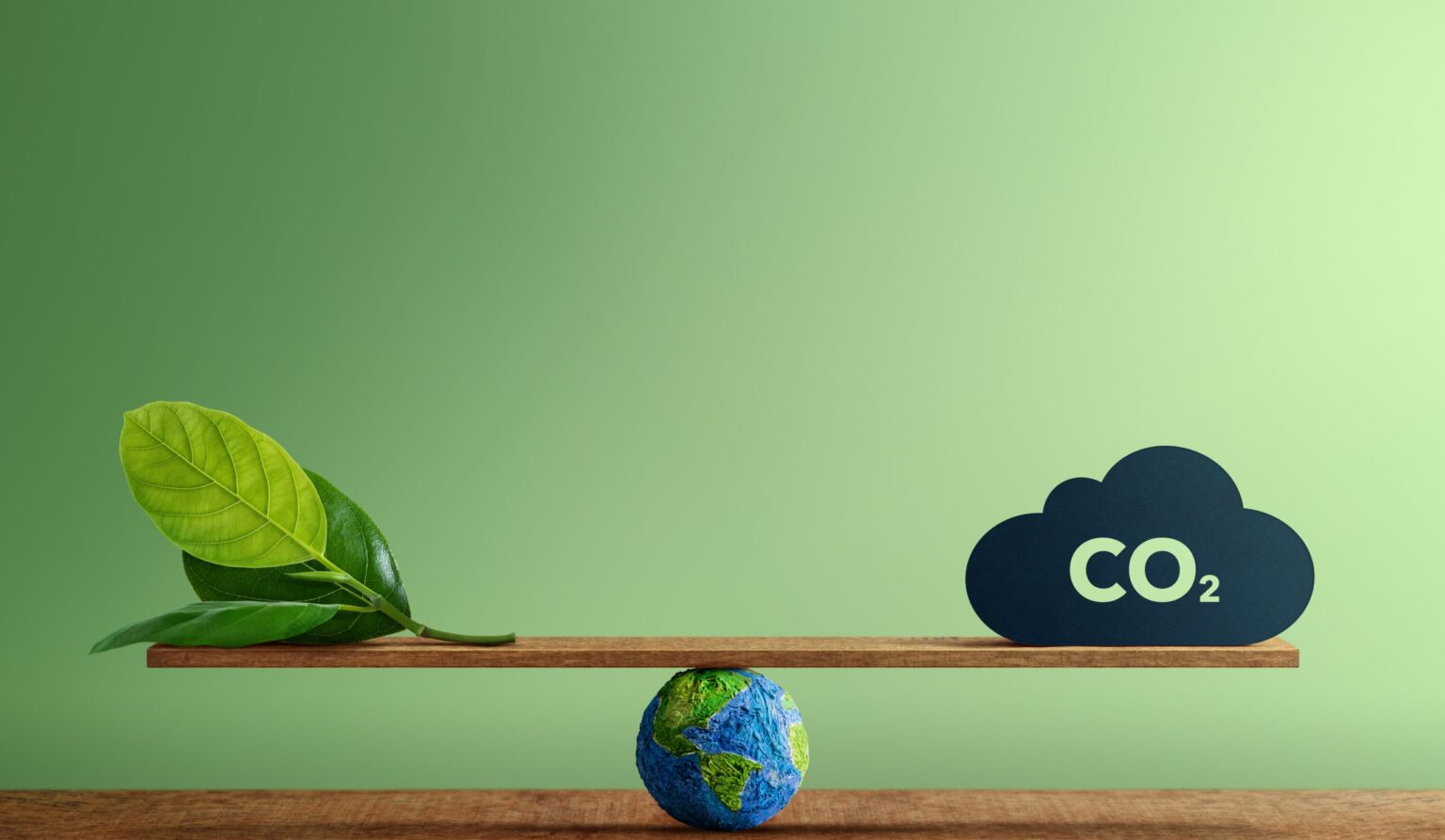
One of the main ways to take action on climate change is to move to what we call net-zero. This means we take as many greenhouse gases out of the air as we put into the air. When those two amounts are the same, we achieve net-zero.
Reaching net-zero will take decades. That’s why you may hear people say they’re on the path to net-zero because it’s a journey. Canada has a plan and hopes to reach net-zero by 2050. Our plan at OPG is to reach net-zero by 2040.
Doing our part to achieve Net-Zero…
OPG’s Climate Change Plan
Here are some of the things we are doing to take action on climate change on our path to net-zero.
- Helping with the electrification of Ontario’s transportation sector
- Investing in our existing nuclear and hydroelectric generating stations, which are low-carbon-emitting
- Developing new nuclear opportunities like Small Modular Reactors
- Looking for opportunities to use wind and solar
- Making our operations more resilient and adaptable to climate change to better help communities now and in the future
We know we have to do our part and OPG is doing just that for today and for future generations.
So what did you learn?